 OH
Stacks
Peptide combinations
Some peptides are often combined because their mechanisms complement each other. Here are the most studied or discussed combinations, why they are paired and the level of evidence available.
Recovery
Tissue repair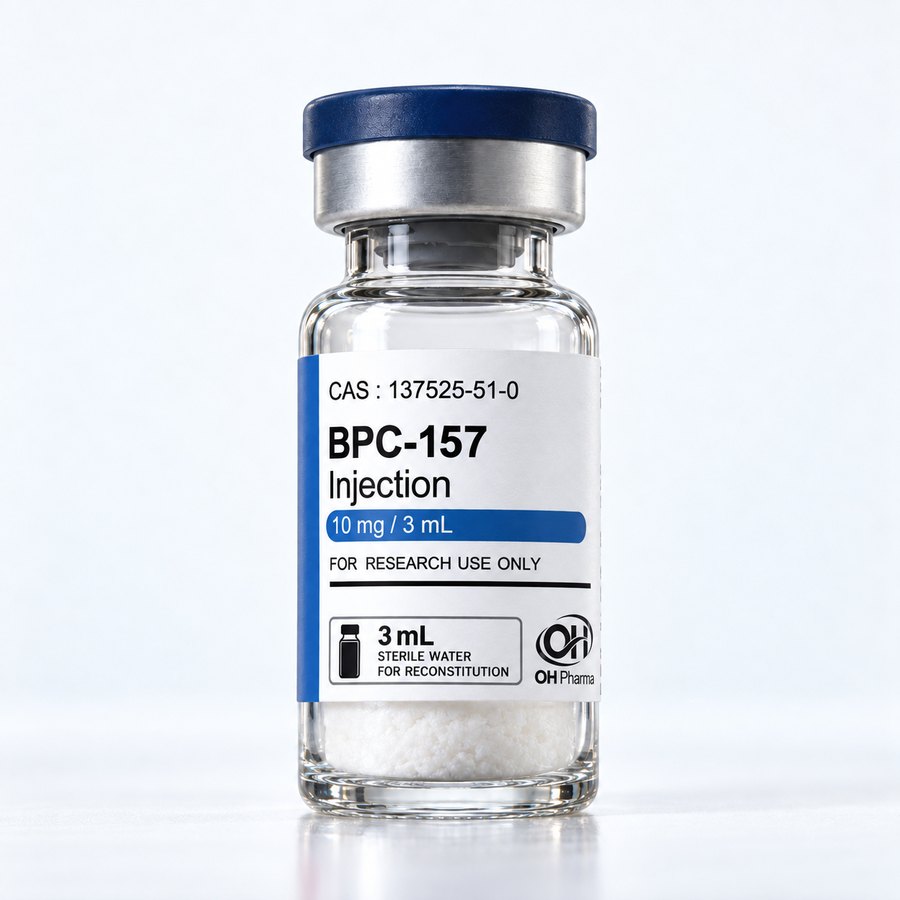 BPC-157
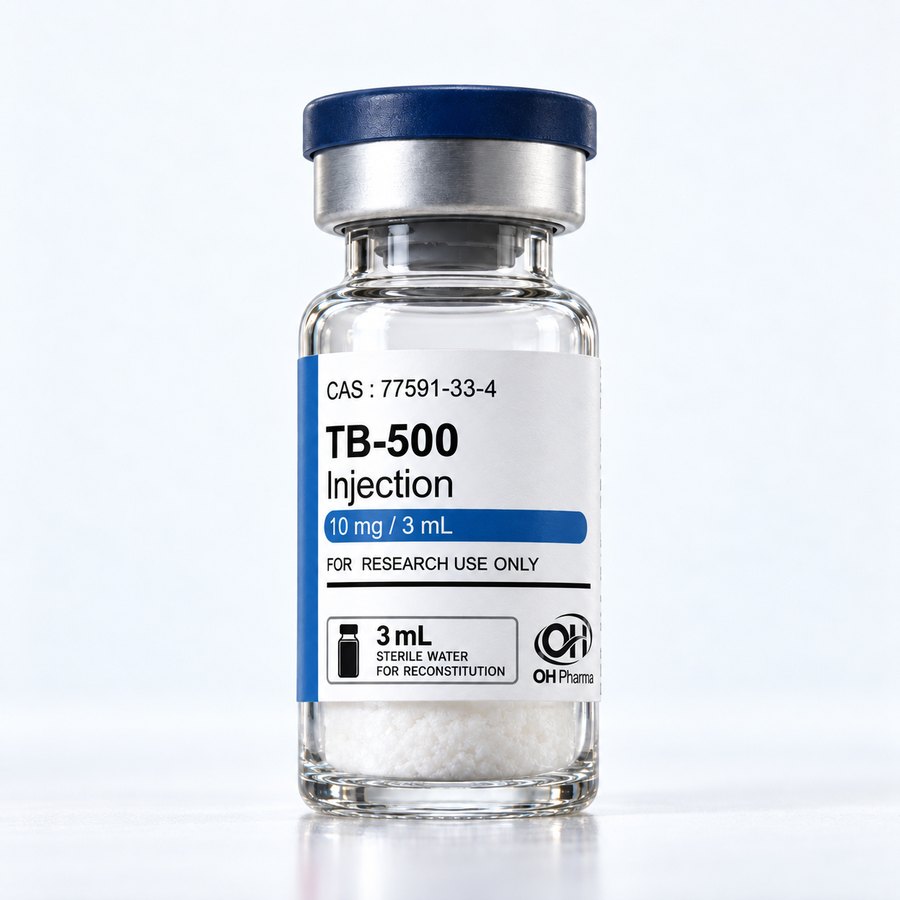 TB-500
Why combine them
Two peptide fragments with different mechanisms: BPC-157 is studied for tendon, ligament and gut-lining repair, and TB-500 (a thymosin beta-4 fragment) for cell migration and wound healing. Their actions are considered complementary.
What the research says Limited data
Mostly animal data; few human studies.
Good to know
The Glow blend already combines BPC-157, TB-500 and GHK-Cu.
Growth hormone
GH axis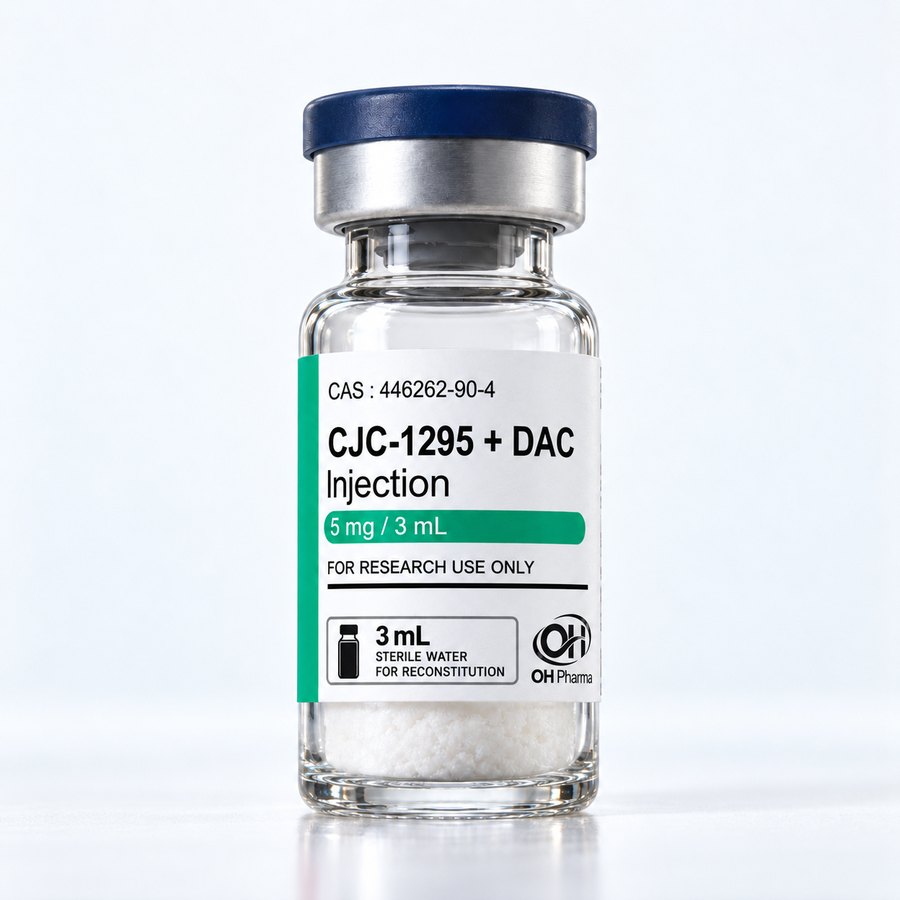 CJC-1295 + DAC
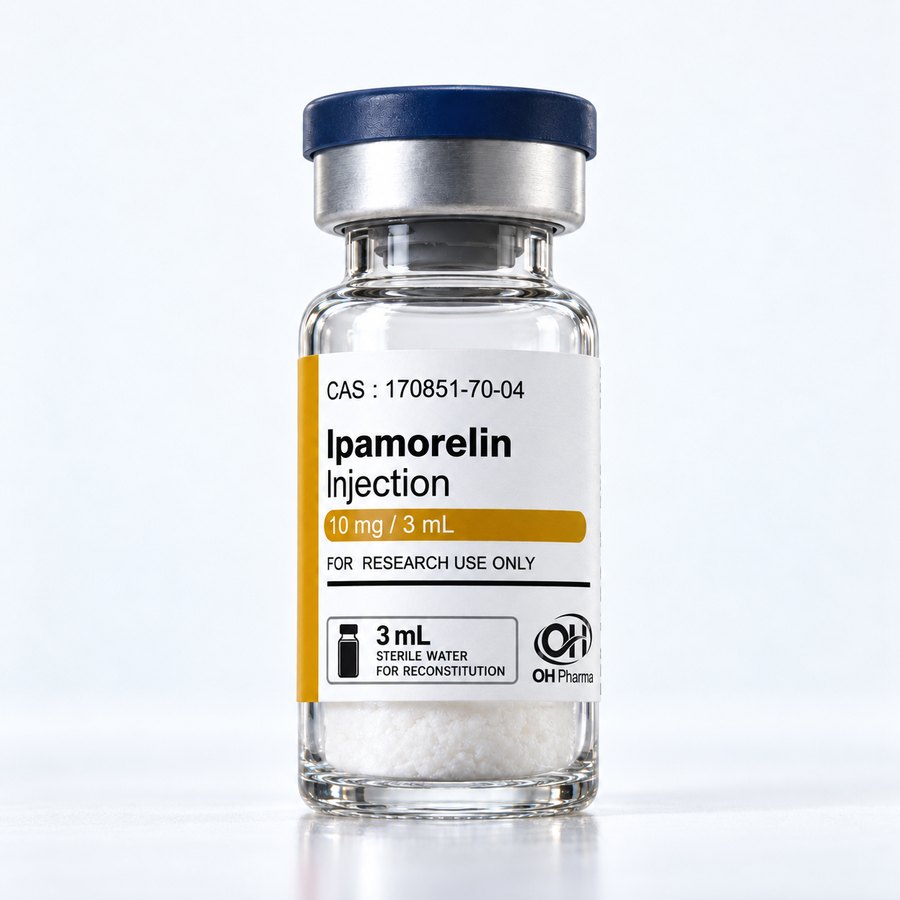 Ipamorelin
Why combine them
CJC-1295 (a GHRH analogue) increases the amplitude of growth hormone pulses, while ipamorelin (a ghrelin receptor agonist) triggers those pulses. They work through different pathways, which explains the additive effect reported in research.
What the research says Limited data
Small clinical studies and animal data.
Good to know
Do not combine this pair with tesamorelin or somatropin (see below).
Skin
Topical use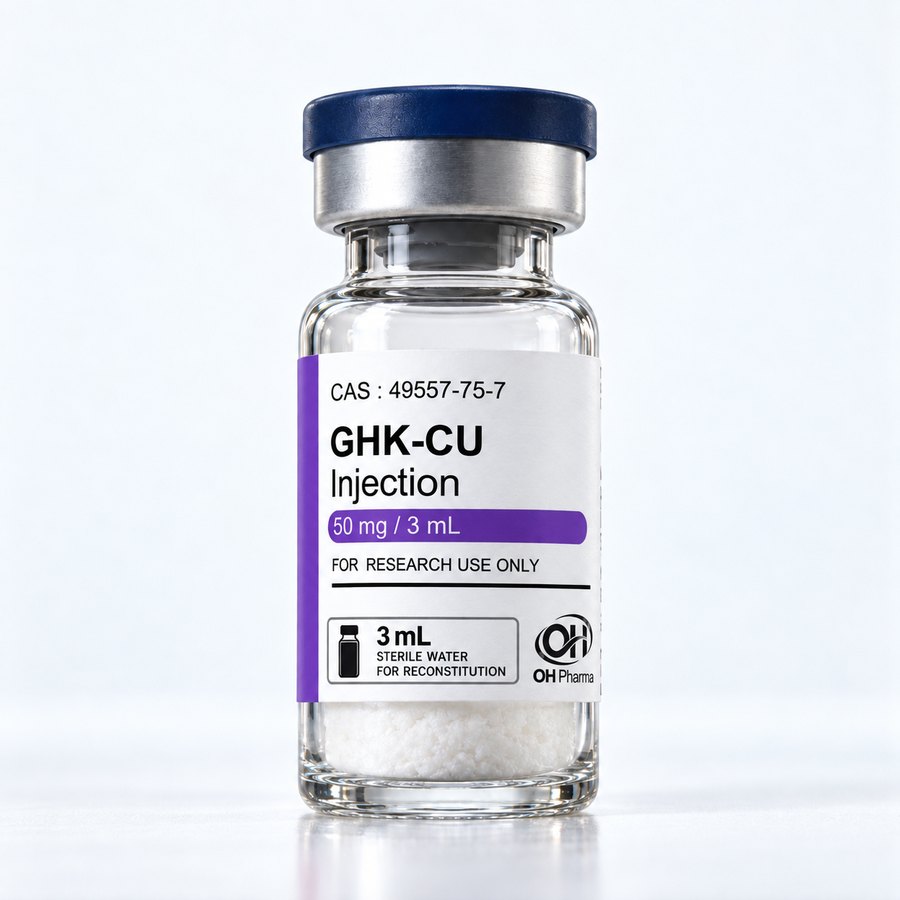 GHK-Cu
 SNAP-8
Why combine them
GHK-Cu is studied for collagen synthesis and skin repair, and SNAP-8 for softening expression lines. One targets skin quality, the other dynamic wrinkles: their effects complement each other.
What the research says Limited data
Small cosmetic studies.
Good to know
For skin use only, in a serum.
Neuropeptides
Focus and calm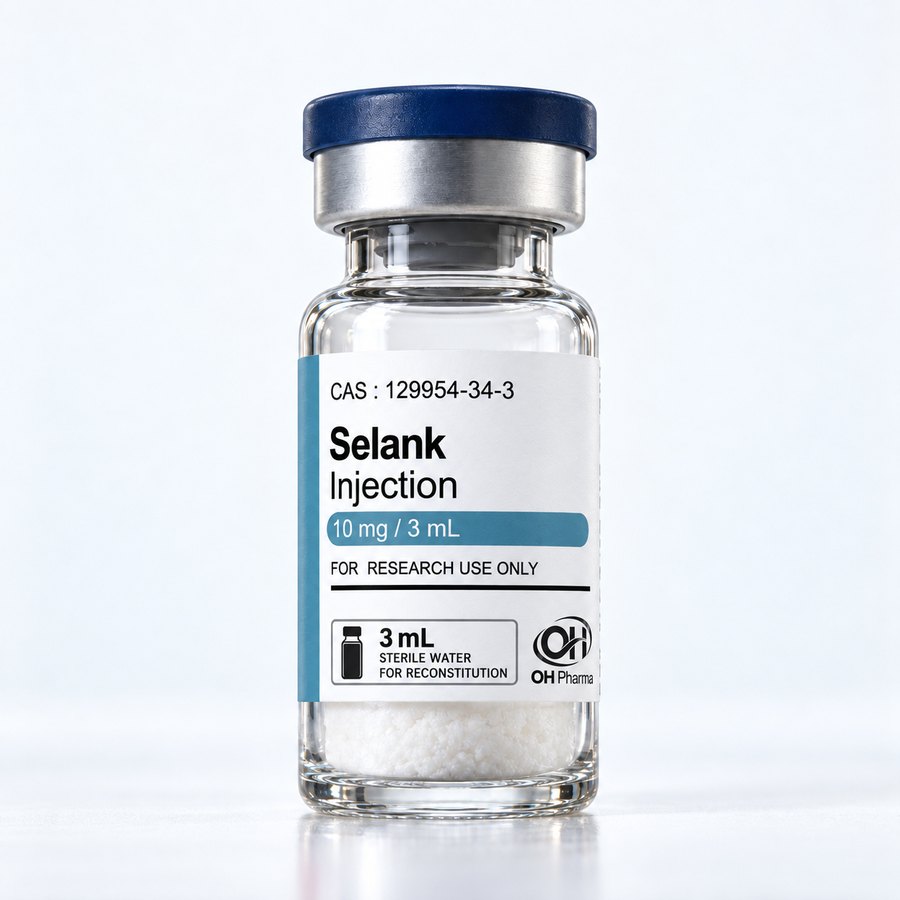 Selank
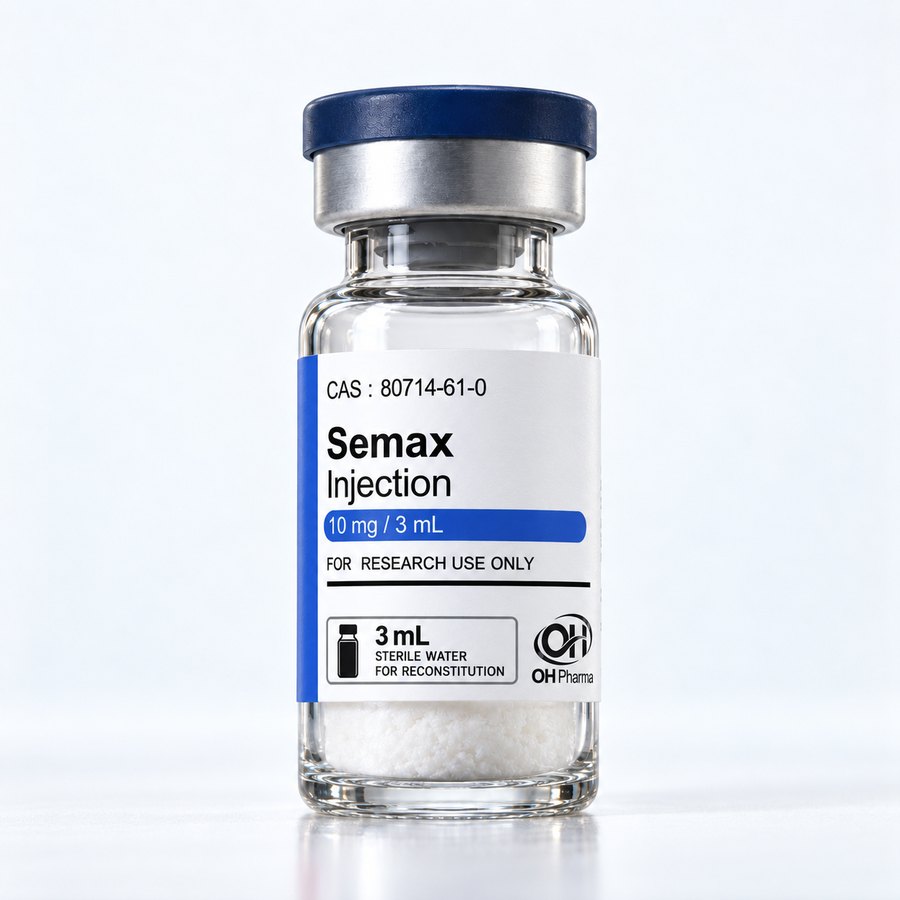 Semax
Why combine them
Selank is studied for its effects on anxiety, and Semax for attention and neuron protection. They are often combined in Russian practice, where they originate.
What the research says Preliminary data
Mostly small Russian studies, nasal route.
Good to know
The injectable route has not been formally studied.
Longevity
Cellular aging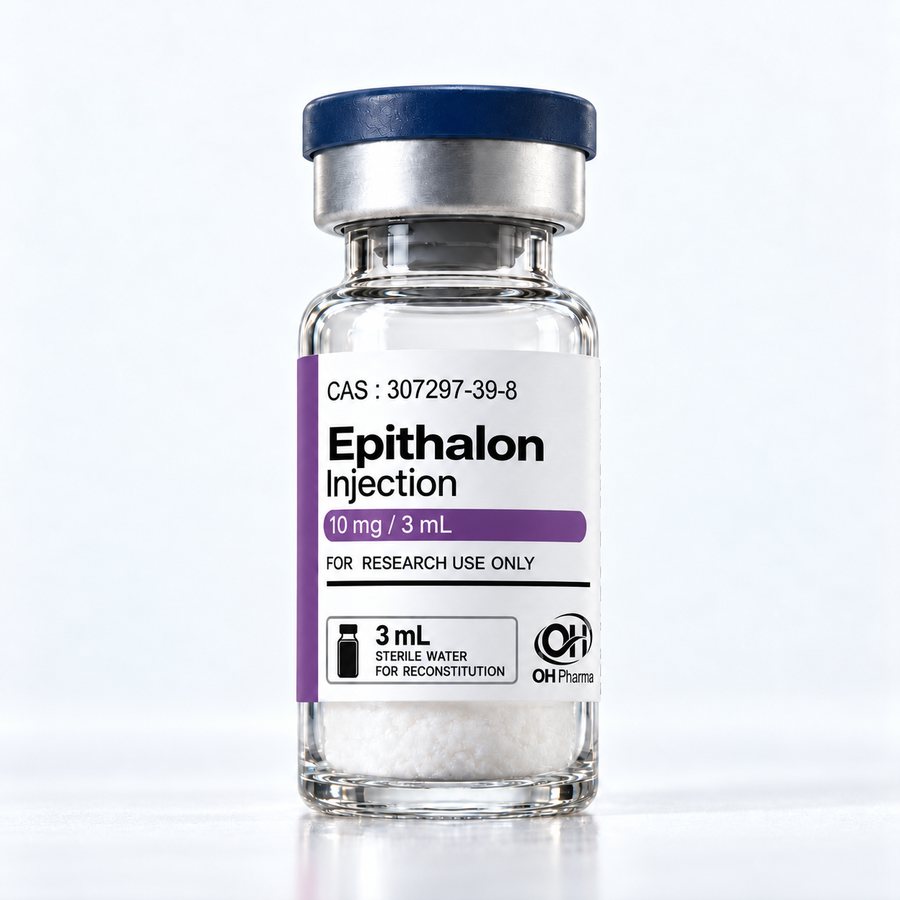 Epithalon
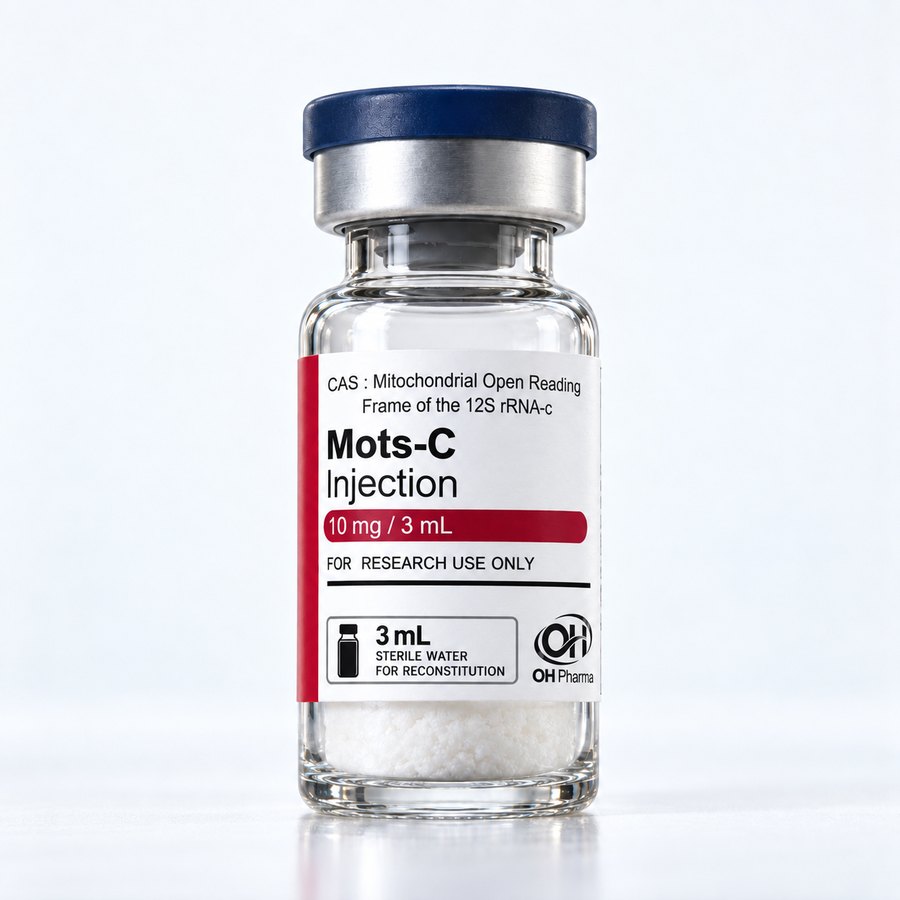 MOTS-c
Why combine them
Epithalon is studied for telomerase activity and circadian rhythms, and MOTS-c (a mitochondrial-derived peptide) for energy metabolism and insulin sensitivity. They target two different aspects of aging.
What the research says Preliminary data
Preliminary data, mostly laboratory and animal.
Good to know
No study has evaluated this combination directly.
⛔ Combinations to avoid
- Two incretin agonists: Semaglutide, tirzepatide and retatrutide act on the same receptors. Combining them adds no proven benefit and increases digestive effects (nausea, vomiting) and the risk of dehydration.
- Tesamorelin + CJC-1295: Both are GHRH analogues targeting the same receptor: combining them is redundant.
- Somatropin + GH secretagogues: Adding growth hormone to peptides that stimulate its production increases total exposure: only under medical supervision.
✅ Before combining
- Introduce one product at a time, so you know which one causes any side effect.
- Check each product’s certificate of analysis on its page.
- Consult a healthcare professional, especially if you take medication or have a health condition.
Sources
For educational purposes only. This information summarizes published studies; it is neither a recommendation for use nor medical advice, and gives no dose.
← Back to products